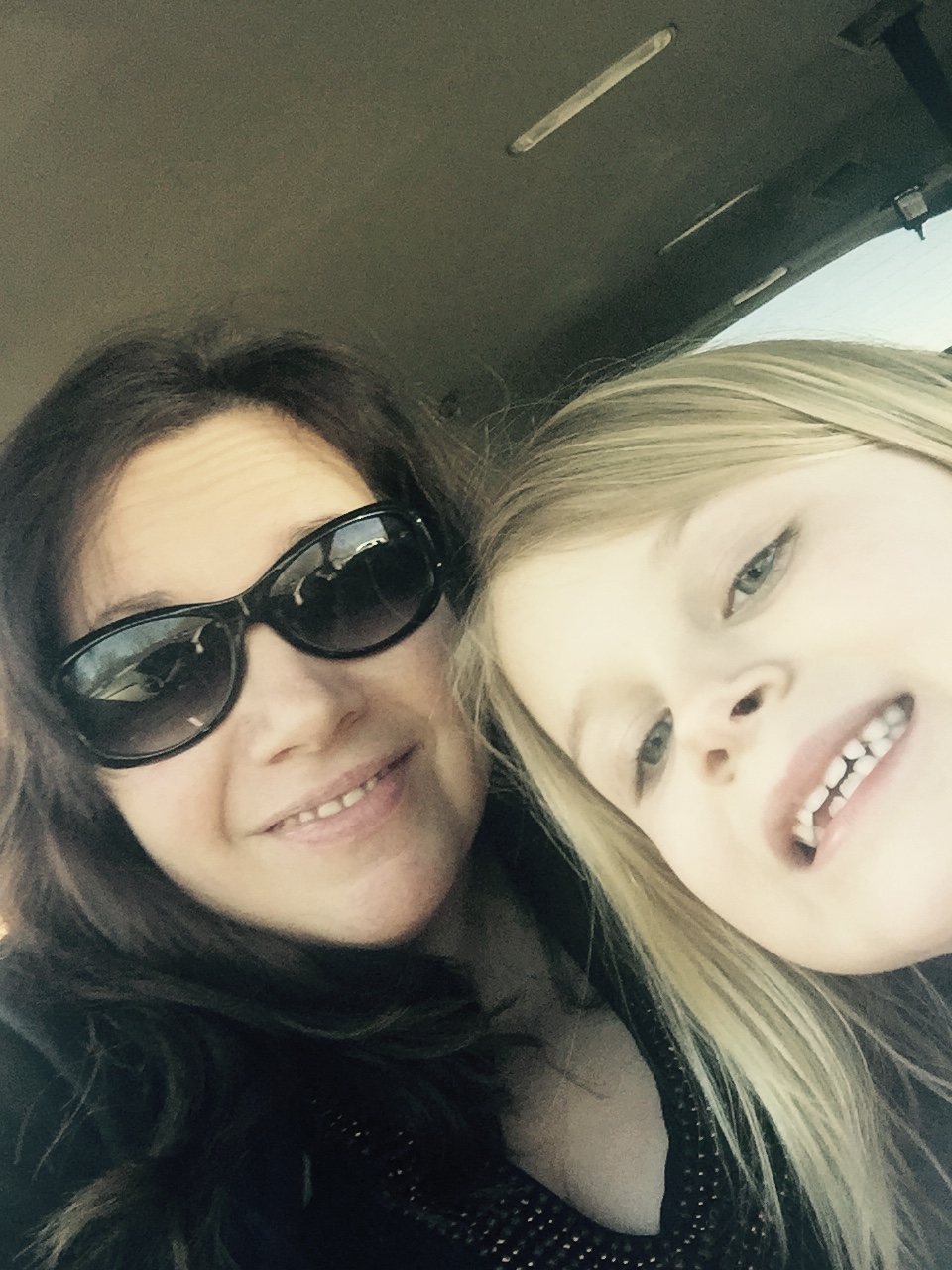
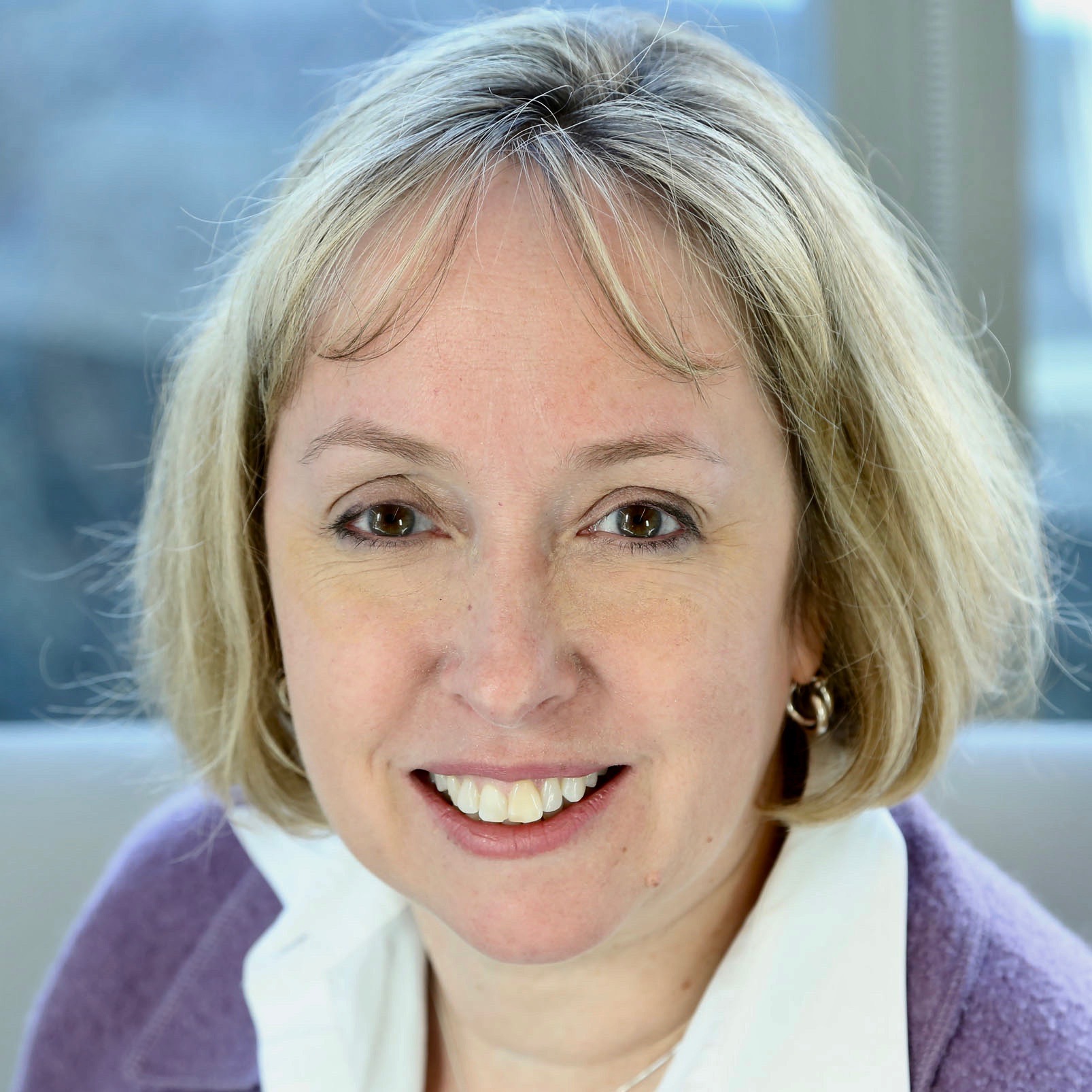
Linda, Grandmother and MPN Patient pictured above with her granddaughter.
On Mother’s Day in 2011, I was out enjoying a band at a restaurant and while they were setting up their speakers, one blew right by my ear. I felt like I was underwater for an hour. Later that week I got a cold and had a loud heartbeat sound (pulsatile tinnitus) in my left ear. I then began a journey of symptoms that have not changed to this day. Early on I was diagnosed with various possibilities, Meniere’s Disease, MS, Vestibular Neuritis, Vestibular Migraine, maybe Lyme- so many ideas were entertained. I tried working for years in a reclined chair at my job. If I got up quickly without thinking, I would often see black spots. I would get odd brain fog at times and blamed it on the various drugs I was taking. After getting bounced around from neurologists to ENTs to cardiologists, I was finally diagnosed with atypical Vestibular Migraine.
In 2017, my platelets started climbing and my local neurologist, who had spent hours with me testing my blood pressure in different positions, felt I had a form of dysautonomia called POTs and needed more testing. He repeated an electromyography (EMG) study which showed severe neuropathy in 2012 and it came back the same in 2018. Eventually, I got to the point that the feeling of fainting was so strong I couldn’t stand. I tried to hide it whenever I could because it was so inexplicable even to myself. I was anxious because I never knew when a symptom would occur when I had to be up for any length of time and I looked normal on the outside and was embarrassed. My family and friends were frustrated with me because I went from being an active mom and grandmother to being disabled and limited in what I could do. My local neurologist sent me to a hematologist who diagnosed me with ET, CALR 1 mutation. He told me I would need a biopsy to confirm which I did at Sloan Kettering.,
As scary as it is to get diagnosed with a rare blood cancer, I felt slightly relieved that it might explain some of my symptoms and was told there was hope on the horizon with these blood cancers. It seemed that my neurological symptoms could not all be explained by the MPN only. and I probably have something else going on. I noticed that is a common complexity of MPN patients, we usually have other things going on and have been to many types of specialists. Being treated as a whole person can be challenging for us. I noticed that a lot of the symptoms were shared by the other groups I belonged to especially the Vestibular Migraine Group and Pots. It occurred to me that if these different chronic illnesses could be studied together maybe drugs used to help one could be used to help another especially if you are in a “watch and wait” situation. I’m sure this is being done all over the world.
I realized after joining some of the social media groups, that I am not alone in this feeling especially when it comes to the atypical migraines, brain fog and dizziness. Being in a box, is not so important anymore. Especially in the MPN world where you can have one type one day and potentially can learn it progressed or changed to another. We are in this together. No matter what. I’ve been lucky to have been referred to the Cleveland Clinic where I’m being evaluated by neurology and oncology to come up with an answer. I’m inspired by that institution and the kindness of everyone from the shuttle drivers, to the technicians and doctors who work there.
If I had any advice to share it would be to be your own advocate. Not believing everything you read in the groups is also important because it may never be part of your story and there is so much being researched and studied. If anything happens to be written that is inaccurate, you can put yourself in a state of fear even if you try to tell yourself otherwise. Also, there are wonderful friendships to be made with people who know what you are going through. I’m looking forward to finally meeting a fellow MPN patient, who I have been communicating with for a year at MPN Advocacy & Education International’s program in Cleveland this November. I’m realizing the importance of yoga and nutrition and I still try to keep busy for as long as I can stand before I give myself permission to rest when I can’t. I’ve since learned that life is unpredictable and can change in a moment. All in all, I try to be optimistic and feel most people are kind, loving, and caring, but no one knows what you feel better than yourself. I’ve also learned I have the best family, friends, and people in my life who provide love and support.
 Individuals with a parent, sibling or child with blood cancer appear to have a higher likelihood of also being diagnosed with the disease, according to study results published in Blood.